
Harvard Shares International Student Data with Trump Administration

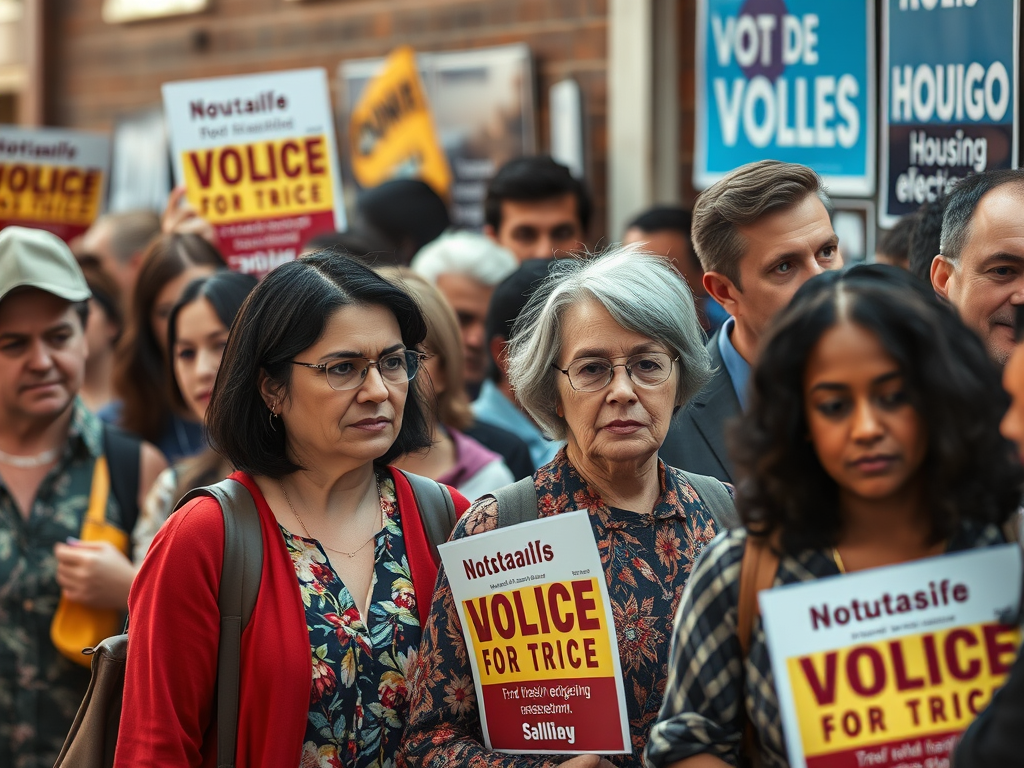
Harvard University shared information about its international students with the Department of Homeland Security in a statement Wednesday in a letter. The news comes two weeks after the agency threatened to cancel Harvard’s ability to host international students if the school did not provide detailed information about students’ disciplinary records and their participation in the protest.
Deputy Executive Director Meredith said in the Letter “In our response, the university reiterated our unwavering commitment to sponsoring visas that make it easier for our international students to study at Harvard.” He said the university had made it clear that it did not want to withdraw from the student program and exchange visitors.
In an April 16 letter to Harvard University, Homeland Security Secretary Christy Noem asked the school to provide any procedures related to students who “make threats against other students or university staff” and “make threats against other students or communities or participate in protests.” The university’s tax-free status and $2.2 billion in federal funding are also at stake.
The Department of Homeland Security did not respond to requests for comment on how Harvard University uses the information it provided, or the information shared by the school. Harvard declined to answer further questions.
Alejandra Caraballo, a graduate student in public administration at Harvard Kennedy School of Government, said, “I think Harvard’s complete ambiguity about what they’re actually sending is particularly troubling, because the message itself far exceeded anything required in the regulations.” Federal law, specifically Section 8 of U.S. law, requires schools to retain information about students’ criminal activities and any disciplinary action related to a crime. Caraballo said the language of the Department of Homeland Security’s message is more ambiguous.
“These [protests] are likely to escalate into criminal activity, but most of the time they don’t,” Caraballo said. Even peaceful protests and peaceful opinions have been described as violent or threatening to other students.”
Klay Harmon, executive director of the International Records Management Association, a membership organization focused on recruiting and enrolling international students, said Harvard University is legally required to respond to requests from the Department of Homeland Security. However, he said the requested information was a “departure from established standards” and that Harvard weighs the risks before responding.
Removing and removing the certificate from the student and visitor exchange program “will cause real and immediate harm to thousands of members of the Harvard community,” he said. Students will have to transfer to a different college, change their immigration status, or possibly leave the United States.
“I think in a broader sense, this is an example of how the current administration threatens institutional autonomy and, more importantly, the reputation of higher education in the United States as an independent and powerful educational institution,” Harmon said.
Gerardo Blanco, assistant professor and academic director of the Center for International Higher Education at Boston College, said, “This seems to be a reflection of the resistance they [Harvard] initially showed.” Blanco looked at his time as a dormitory manager and noted that disclosure of student records is often reversed, and that student behavior, in particular, tends to be “the most confidential information” under the Family Educational Rights and Privacy Act.
Blanco said this request goes beyond “noise and disruption outside of working hours” and standard violations of the Student Code of Conduct. Harvard University did not respond to this code request.
“I think this actually creates a very confusing and, frankly, very scary environment for international students,” she said.














 Online Education
Leave a comment