
What place in the world do you never want to visit? Why?
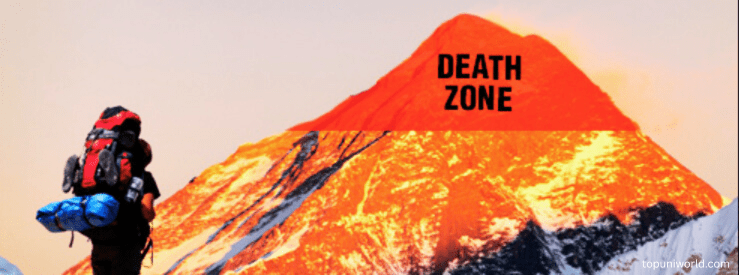
The Death Zone on Mount Everest refers to altitudes above 26,247 feet (8,000 meters), where atmospheric pressure and oxygen levels are extremely low. Climbers face many life-threatening challenges in this zone due to the harsh conditions. Some of the main challenges include:
1.Low Oxygen Levels: The air in the Death Zone contains only a fraction of the oxygen found at sea level. Climbers in this zone must rely on supplemental oxygen to prevent hypoxia, which can lead to impaired judgment, confusion, and ultimately death.
2. Altitude Sickness: Altitude sickness becomes more serious in the death zone. Symptoms include nausea, dizziness, headache, and difficulty sleeping. Severe cases can develop into high-altitude cerebral edema or high-altitude pulmonary edema, both of which are life-threatening.
3. Extreme Cold: Temperatures in the Death Zone can drop to extremely low levels. Frostbite and hypothermia are constant risks, especially during prolonged exposure during summit attempts.
4. Wind Speed: The Death Zone is known for its strong winds, which can increase the risk of frostbite, affect climbers’ balance, and make conditions more difficult.
5. Limited Time: Climbers have a limited amount of time to spend in the death zone due to hypoxia. Summit attempts typically involve rapid ascents and descents to minimize the time spent in this high-risk area.
6. Physical and mental fatigue: High-altitude climbing is physically and mentally demanding. The lack of oxygen and harsh conditions can lead to fatigue, impaired judgment, and an increased risk of accidents.
7. Technical Difficulties: Climbers may face technical challenges such as navigating difficult terrain, negotiating crevasses, and dealing with steep and icy slopes. Technical skills and equipment are essential for safe ascent and descent.
8. Crowded Conditions: During peak climbing seasons, the push toward the summit may lead to overcrowding in the Death Zone. This can lead to delays, increased exposure to harsh conditions, and difficulty managing resources.
9. Limited Recovery Options: Evacuating injured or sick climbers from the death zone is extremely difficult due to the harsh conditions. Rescue operations are limited, and climbers often rely on their own teams for assistance.
Successfully navigating the Death Zone requires careful planning, physical fitness, mental strength, and adherence to safety protocols. Climbers must be prepared for the unique challenges posed by the extreme altitude and harsh weather conditions on Mount Everest.


















 Online Education
Leave a comment